
Tsugu Tsugu Columns
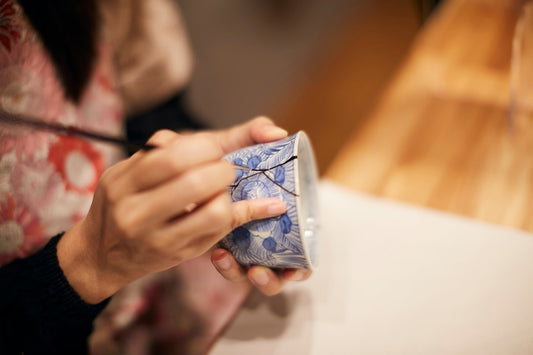
FAQ about Step 4: Applying Black Urushi
In the fourth step of the kintsugi process, black urushi is made and applied to the damaged area. This process is called "中塗り, Naka-nuri" (middle coat). This article answers frequently...
FAQ about Step 4: Applying Black Urushi
In the fourth step of the kintsugi process, black urushi is made and applied to the damaged area. This process is called "中塗り, Naka-nuri" (middle coat). This article answers frequently...
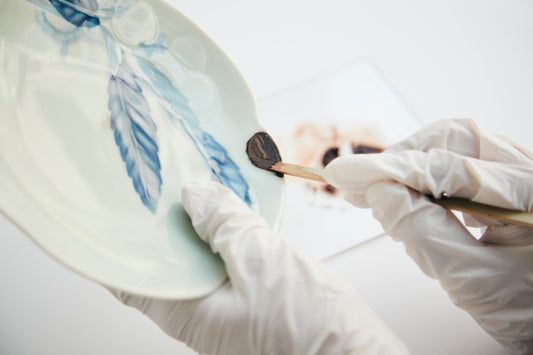
FAQ about Step 3: Filling Small Holes with Sabi...
Broken vessels were sticked together with “Mugi-urushi” and large chips were filled with “Kokuso”. After the vessels are roughly shaped, Step 3 is always taken to flatten the unevenness with...
FAQ about Step 3: Filling Small Holes with Sabi...
Broken vessels were sticked together with “Mugi-urushi” and large chips were filled with “Kokuso”. After the vessels are roughly shaped, Step 3 is always taken to flatten the unevenness with...
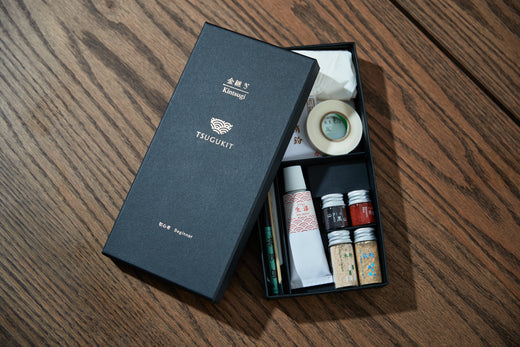
Wholesale of Kintsugi Kits
Tsugu Kit, a traditional kintsugi kit for beginners by Tsugu Tsugu Inc., has been purchased by people not only in Japan but also all over the world. Recently, we have...
Wholesale of Kintsugi Kits
Tsugu Kit, a traditional kintsugi kit for beginners by Tsugu Tsugu Inc., has been purchased by people not only in Japan but also all over the world. Recently, we have...
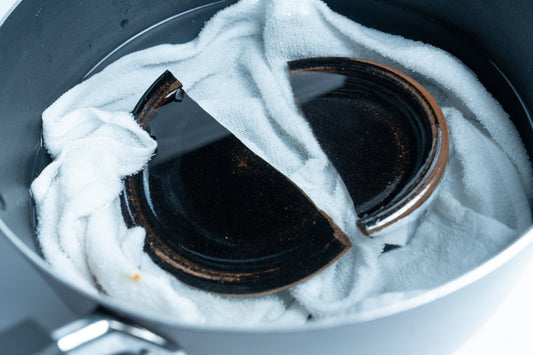
How to remove the superglue from already repair...
Stubborn superglue ruining your kintsugi? Discover how to strip away synthetic adhesives, remove mugi-urushi residue, and perfectly realign your pieces for flawless, food-safe repairs!
How to remove the superglue from already repair...
Stubborn superglue ruining your kintsugi? Discover how to strip away synthetic adhesives, remove mugi-urushi residue, and perfectly realign your pieces for flawless, food-safe repairs!
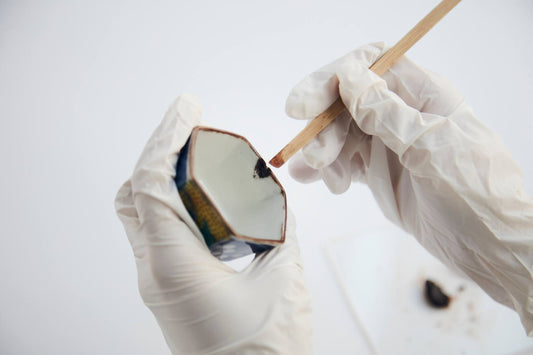
FAQ about Step 2B: Filling the Deep Chips with ...
When repairing a chipped vessel with kintsugi, there are two types of putty to fill the chipped area; Kokuso (刻苧, こくそ) and Sabi-Urushi (錆漆, さびうるし). Kokuso is used to fill...
FAQ about Step 2B: Filling the Deep Chips with ...
When repairing a chipped vessel with kintsugi, there are two types of putty to fill the chipped area; Kokuso (刻苧, こくそ) and Sabi-Urushi (錆漆, さびうるし). Kokuso is used to fill...
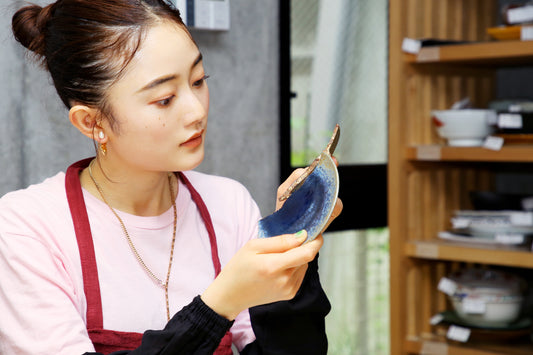
FAQ about Step 2 & 2A: Making Mugi-Uruhi to Sti...
In order to stick broken pottery together in kintsugi processes, we make a natural adhesive called "Mugi-Urushi" (麦漆). This article answers to the questions we often receives from our customers regarding Mugi-Urushi...
FAQ about Step 2 & 2A: Making Mugi-Uruhi to Sti...
In order to stick broken pottery together in kintsugi processes, we make a natural adhesive called "Mugi-Urushi" (麦漆). This article answers to the questions we often receives from our customers regarding Mugi-Urushi...